


Throughout one's life one is in constant motion.Thanks to this, it is possible to quickly and efficiently adapt to changes in the environment, explore the world, move and carry out daily activities.However, any movement of the body creates a certain load on the musculoskeletal system and can potentially become a traumatic situation leading to premature wear of the joints.This is how arthrosis of the joints arises - one of the most common diseases on the planet.Despite its widespread distribution, not everyone knows its main manifestations and danger, which is why they seek medical help in the later stages.This can lead to serious health problems, including disability.A timely visit to specialists will allow you to avoid these problems, as experienced doctors conduct thorough diagnostics that allow you to identify pathological changes in the early stages.
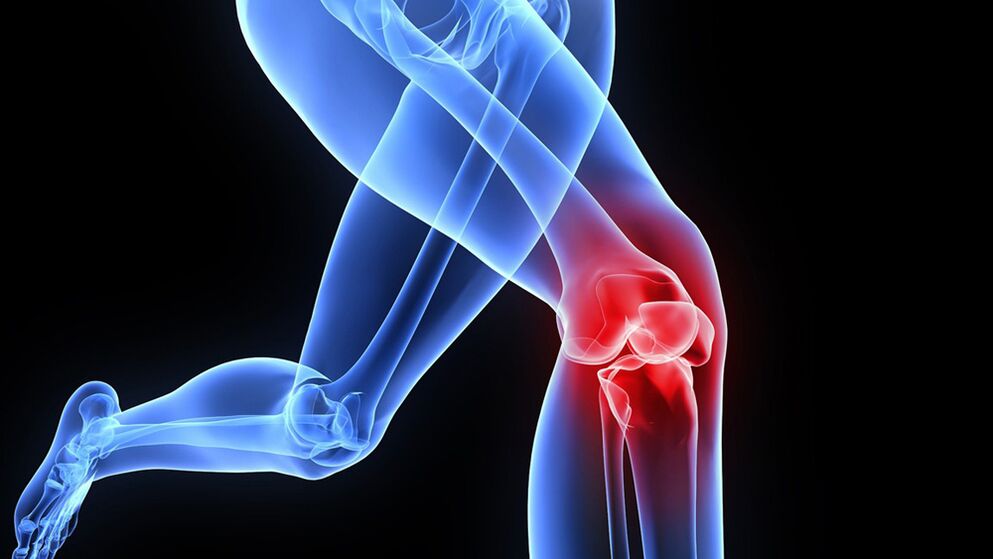
Arthrosis is a joint disease of a degenerative-dystrophic nature with slow growth of the cartilage structure and proliferation of bone tissue.As a result of these pathological changes, deformation of the affected joint occurs, its mobility is impaired and severe pain occurs.According to official statistics, from 10 to 20% of people in the world suffer from this pathology.These are quite significant indicators that grow annually.In the aging process, age-related changes occur in the musculoskeletal system, characteristic of most people over 80 years of age.However, only a small number of them consult a doctor, preferring self-medication.It is this approach that significantly worsens the prognosis for recovery and also increases the chance of injury.
The disease occurs approximately equally in men and women.The risk group includes:
- Women over 50 and men over 40.
- Individuals with a history of endocrine diseases and chronic arthritis.
- People whose profession involves heavy physical labor or the need to remain in a stationary position for a long time.
- Professional athletes (especially weightlifters and those involved in trauma sports).
species
There are severalclassifications arthrosis: depending on the genesis, clinical forms and localization.Each has its own clinical significance;classification according to the location of the lesion is most sought after in practice.
Arthrosis of the lower limbs
- Osteoarthritis of the hip joint- the most dangerous and heavy type.Due to the anatomical features of the structure of this joint, the rapid development of degenerative-dystrophic diseases with damage to the musculo-ligamentous apparatus occurs here.When inflammation occurs, the effect of complete or partial immobility develops.Often this pathology occurs due to the presence of congenital dysplasias, dislocations and osteochondropathy.It manifests itself in the form of pain (initially appears in the late afternoon and at night, but later becomes constant, radiating to the groin and gluteal region) and forced position of the lower limbs.
- ankle- happens quite often, since the ankle is forced to withstand heavy loads every day.As a result, it is often injured, leading to degeneration.Osteoarthritis of the ankle often occurs without significant symptoms, but as it progresses, pain occurs during physical activity.Then the pain becomes constant, stiffness of movements and complete immobility are added (rarely, in the absence of timely and adequate treatment).
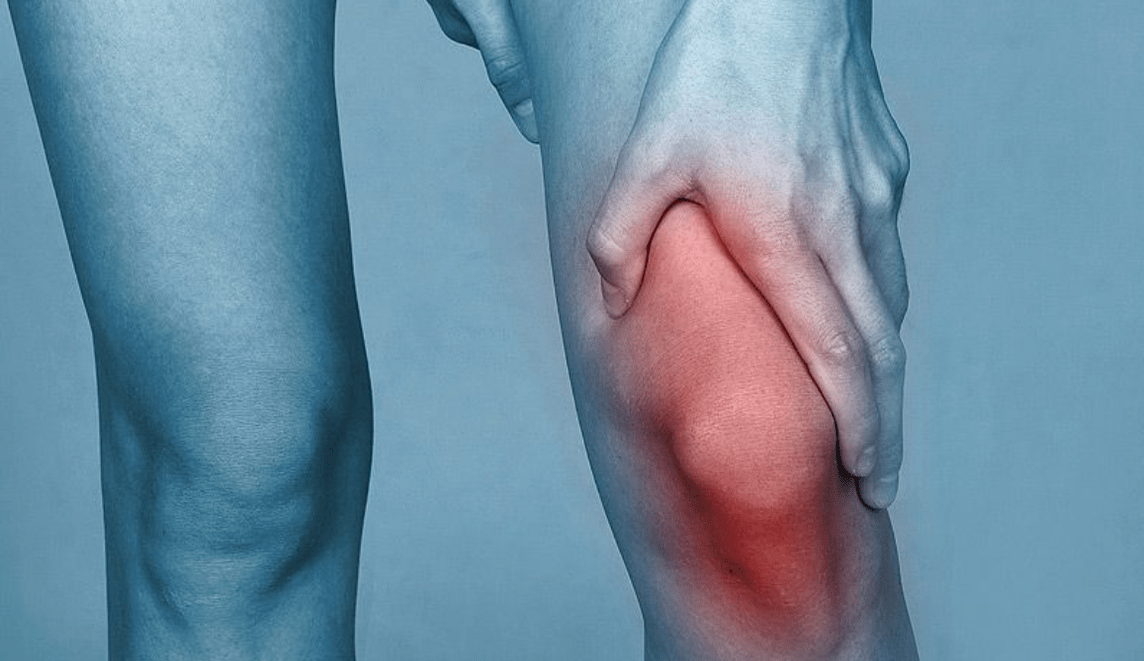
- Osteoarthritis of the knee joint- the most common variety.It is the knee that bears the greatest load, which is why it is more susceptible to injury than the others.There are several types: patellofemoral and tibiofemoral.The first occurs after an injury to the patellofemoral joint.In the initial stages, it is asymptomatic because the joint has a large amount of cartilage responsible for shock absorption.Their presence prevents bone injury.Later, the patient begins to notice pain in the knee after physical activity, which gradually becomes constant (often increases when the weather changes).Synovitis, characterized by severe, almost unbearable pain, is often associated with the pathology.The tibiofemoral type is diagnosed extremely rarely and has a more favorable prognosis.It is characterized by a feeling of pain radiating to the lower part of the body (usually the legs).
- Current— degenerative-dystrophic changes can be observed in the area of the subtalar or talocalcaneal-scapular joints after injury or disease.It also does not manifest itself clinically for a long time, but over time it begins to become painful and painful in nature.
Arthrosis of the upper limbs
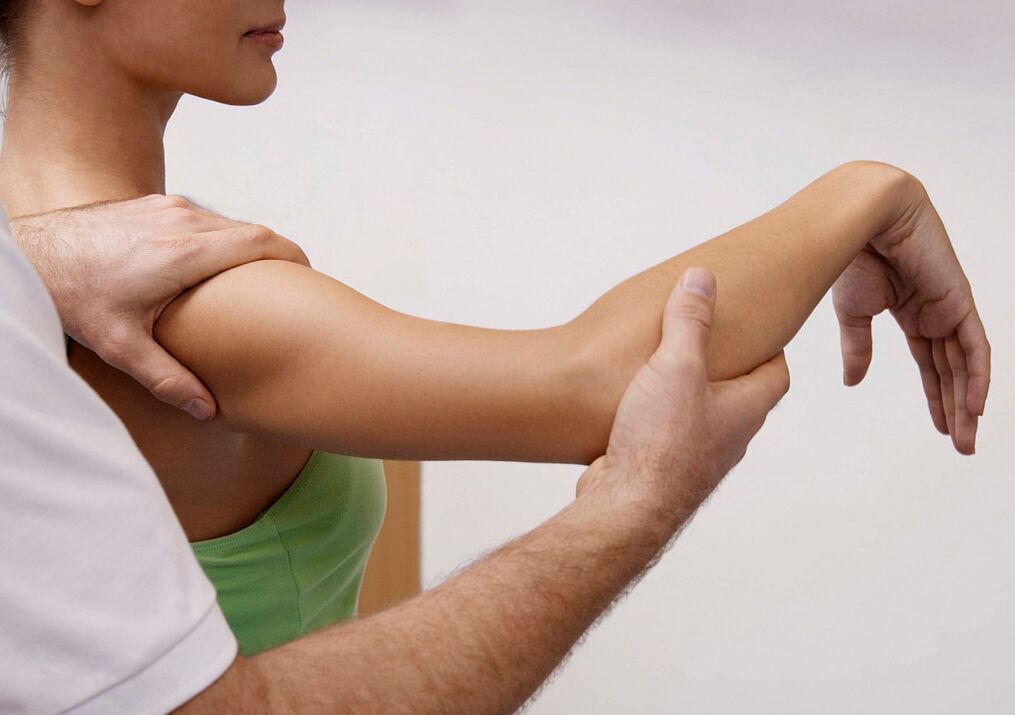
Suchlocalization of the diseaseoccurs less often than in the lower extremities.These are:
- Osteoarthritis of the shoulder joint.As a rule, it appears after an injury and against the background of microtraumas in professional athletes.It is sometimes diagnosed in individuals whose occupation involves physically demanding work.The acromial type of disease is the result of injury and inflammation.At first it goes unnoticed, but as it progresses, painful sensations appear in the area of the injured shoulder.Patients note limited mobility as well as a crunching sound when moving.In the absence of timely treatment, partial ankylosis may occur.
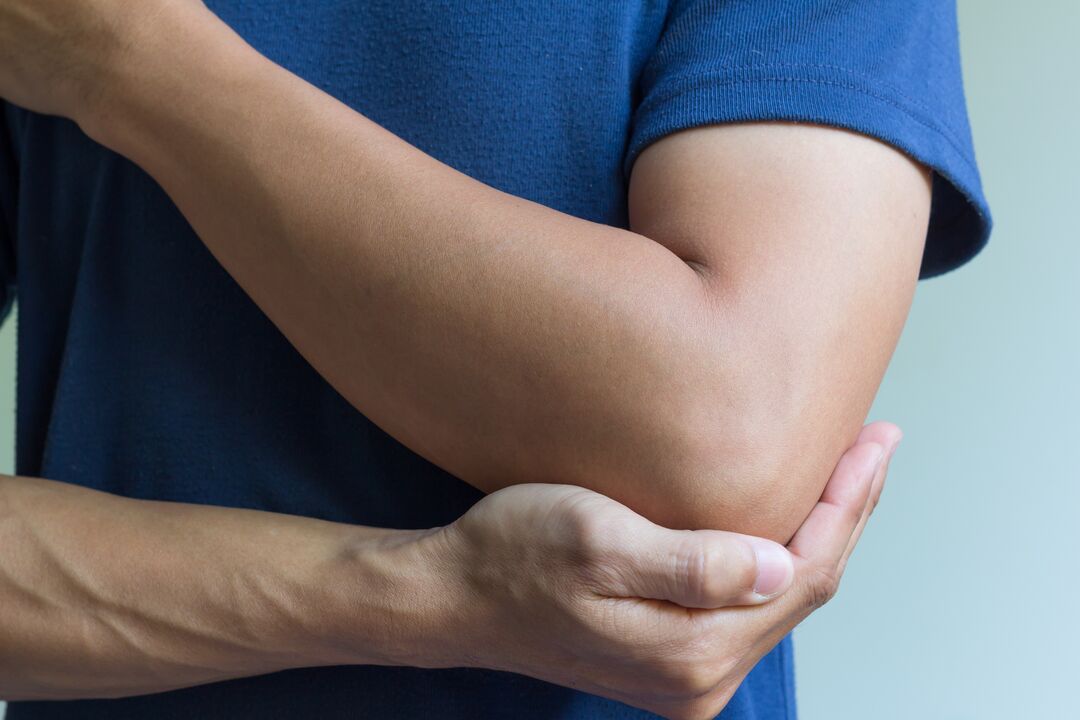
- Elbow - diagnosed much less often.In most cases, this diagnosis is found in certain professions: miners, blacksmiths and people working with vibrating tools.The symptomatic picture includes pain in the elbow on flexion and extension of the upper limb and limited mobility.
- Arthrosis of the joints of the hands.As a rule, it is diagnosed in the carpometacarpal joint of the first finger (it is this joint that is most susceptible to injury in everyday life).It is characterized by a dull pain in the outer surface of the palm that may radiate to the thumb.
- Arthrosis of the finger joints.It is most often found in people engaged in small work (embroidery, knitting, etc.).Overgrowth of bone tissue is observed, leading to the formation of Heberden's and Bouchard's nodules.Patients rarely report joint pain (sometimes with a change in weather) and stiffness when moving.
Reasons
There is no single etiological factor that leads to the development of this pathology.Arthrosis is a disease that begins to manifest itself slowly against the background of congenital structural features of the connective tissue, previous diseases, as well as microtraumas over a long period of time.Most chronic inflammations (arthritis), in one way or another, turn into a degenerative-dystrophic process with constant inflammatory relapses.Special attention deserves the age group of arthrosis, which represents the largest number of patients with this diagnosis.
Despite the fact that there is no single genesis of this disease, there are a number of factors predisposing to it.Clinically the most important among them are:
- A sedentary lifestyle(sedentary work, laziness and many others).
- Excessive physical activityphysically demanding work, professional sports (sports injuries have a negative impact on health in all sectors).
- High body weight(joints simply cannot handle such weight).
- Venous insufficiency.
- Related to the professionwith constant standing, without any movement.
- Hormonal disorders and damage to the endocrine system(diabetes, atherosclerosis of blood vessels, obesity, etc.).
- Bad nutrition(insufficient daily intake of fats, proteins, carbohydrates, vitamins and trace elements).
- Smoking and alcohol abuse.
- Encumbered heredity.
Due to the influence of one or more of the factors listed above, the gradual destruction of the cartilage tissue that covers the articular surface of the bone begins.First it becomes thinner, less elastic, and then completely cracks.Subchondral bone tissue comes into contact with the surface of the bone, which leads to its destruction by friction.The protective reaction of the bone tissue is its proliferation (especially along the joint edges), which significantly limits the mobility of the joint and leads to its deformation.
The cells of the joints have a peculiarity - they react quickly to any, even minor injuries.Damaged cells actively synthesize anti-inflammatory cytokines, which is why the destruction of cartilage and bones is characterized by aseptic inflammation in the synovium.Frequent relapses of the pathology lead to worsening of the inflammation, so the cells of the hard tissues begin to die even faster, which contributes to the progression of the disease.
Symptoms
Arthrosis can go on for a long time without the slightest clinical signs.Patients live without even suspecting that active degenerative-dystrophic changes are occurring in their joint.As a rule, the first symptoms appear at the height of the pathology or after the onset of inflammation.There are several types of symptoms depending on the time of occurrence and the characteristics of the manifestation.
First signs

A person begins to feel pain in the area of the damaged joint after physical activity (sports, jogging, walking without stopping, climbing stairs and many others).In the morning, after a long stay in a stationary state, the first "starting pain sensations" appear, combined with a slight stiffness.To eliminate limited mobilityyou need to heat for a certain time.The pain is aching or dull in nature and not very intense.Due to the unclear clinical picture, patients rarely seek medical help in the early stages.Many people begin to self-medicate and try different methods of treatment, which can only worsen the current situation.However, in the early stages, this disease has the most favorable prognosis and a high chance of a full recovery without consequences.That is why it is highly recommended that you make an appointment with a doctor if you notice any sensations in your joints.
Obvious symptoms
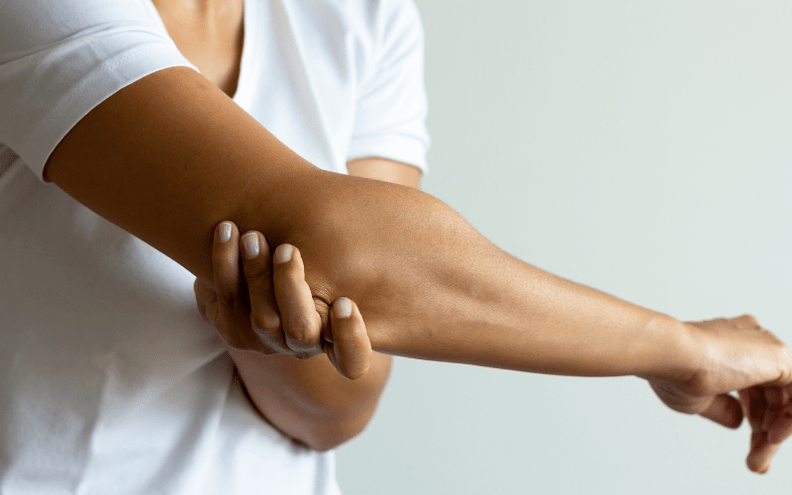
The pain gradually increases, are enhanced by changes in weather.They appear not only in the morning, but also continue throughout the day.Patients cannot sleep fully;many (especially in the elderly) note bone pain and muscle pain.The pain will spread throughout the limb and radiate to surrounding areas.People with this problem quickly tire when walking even short distances, suffer from difficult bending and joint stiffness.Many people note instability of the injured limb, due to which they develop an unsteady and soft gait.
Osteoarthritis of the knee manifests itself with a characteristic crunch, which is formed as a result of friction of the joint surfaces against each other.The knee gradually begins to deform due to the growth of bone tissue along the edges.Patients try to limit any movements, which leads to muscle atrophy.This, in turn, makes the gait even more unstable and cautious.Osteoarthritis of the upper extremities is usually the result of injury or chronic arthritis.The most noticeable deformity is observed in the interphalangeal joints of the hand.Bouchard and Heberden nodes form on the fingers, and the hand itself becomes square.
Dangerous symptoms
Due to the fact thatdegenerative-dystrophic changesdevelops gradually and over a long period of time, the appearance of even dangerous clinical signs may go unnoticed.This significantly worsens the current situation and worsens the prognosis for recovery.These symptoms are:
- Swelling and constant pain in the limbs- indicates active inflammation requiring urgent medical intervention.
- Joint deformity, due to which the gait changes or it becomes impossible to perform the usual movements.
- Myalgia and bone pain.
- Unsteady gait, severe limitation of mobility during flexion and extension.
- The pain becomes constant, which does not subside in the evening or at night, radiating into the surrounding areas.
Degrees
In orthopedic practice, it is customary to distinguish clinical and radiological degrees of arthrosis according to the Kellgren-Lawrence classification:
- Zero.One does not feel pain or discomfort while walking (even long distances).No pathological changes are detected on the X-ray image.
- Initial (doubtful).A moderate dull pain occurs with prolonged walking.Some patients note a slight crunch when bending the limb.X-ray examination reveals the first signs of pathology: narrowing of the joint space and small areas with bone defects along the edges.
- easy.The pain syndrome becomes more pronounced and appears in the morning along with stiffness.The pain increases with movement.X-ray reveals a clear narrowing of the joint space and a small amount of bony growths (osteophytes).
- Moderate (degenerative).Painful sensations appear not only in the morning, but also at night.Myalgia and bone pain occur.Patients sleep poorly and often notice swelling of the affected joint.X-rays reveal the progression of narrowing of the joint space and the proliferation of osteophytes, as well as an increase in bone density.
- Heavy (deforming).The pain syndrome becomes permanent and is not always relieved by taking painkillers.The pain increases with every movement;a loud crunch is heard when bending over.Muscle atrophy also develops and joint deformity develops.An X-ray examination revealed a strong narrowing of the joint gap and significant growth of the edges of the joint surface, which caused deformational changes.
Exacerbation
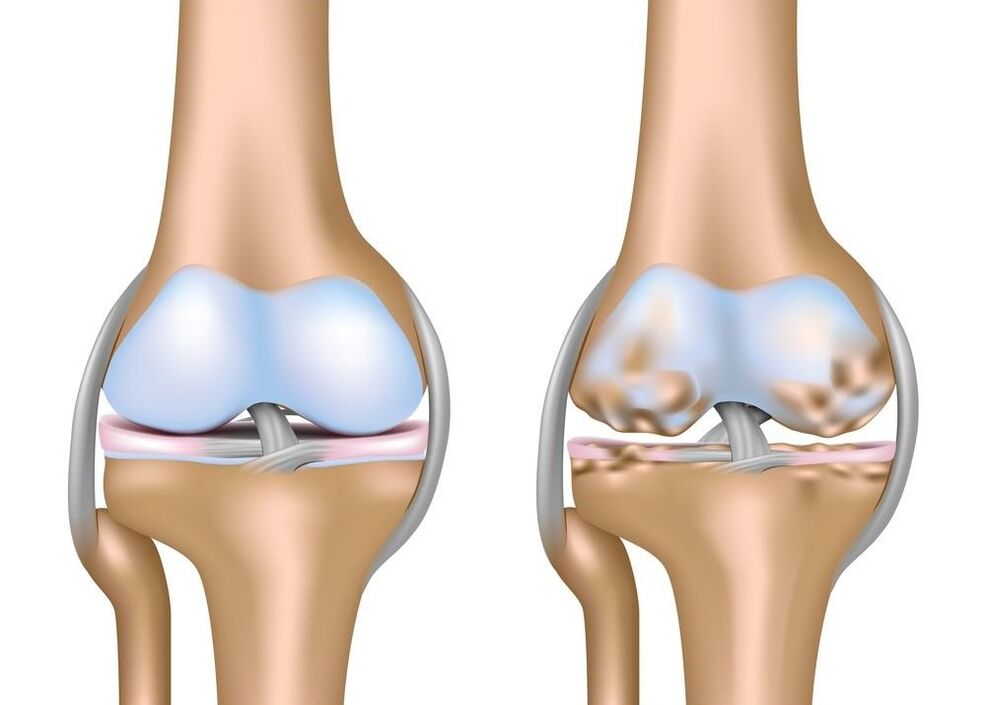
All degenerative diseases are characterized by a slow, often asymptomatic (especially in the first stages) course.Intensification of pain is observed when weather conditions change (humidity, wind or temperature drop) and when the inflammatory process starts.Inflammation is characterized by swelling, hyperemia of the skin, pain and swelling.Therefore, if signs of an inflammatory process appear, you should immediately seek qualified medical help.Provide independentfirst aidcan be done using the following methods:
- Take some pain medication.
- Apply an ointment or gel with an anesthetic effect to the skin.
- Keep the limbs still (until the pain disappears).
Diagnosis
To make the diagnosis, high-precision research methods are used to identify even minor pathological changes.In the clinic, specialists perform a thorough examination of the patient, which allows them to visually and palpately determine the current state of the joint (external signs of inflammation: swelling, redness of the skin, pain, hyperemia).After that, laboratory and instrumental diagnostics are prescribed, which allows to obtain a complete picture of the extent of the lesion.Laboratory tests include:
- General, biochemical and immunological blood test.Changes in the blood can confirm the presence of inflammation, as well as establish the cause of the disease (metabolic disorders, autoimmune reactions, etc.).
- C-reactive protein.
- Taking intra-articular fluidto detect infection and its sensitivity to antibiotics.
Instrumental diagnostics includes the following procedures:
- Ultrasound and MRI of the joint.Makes it possible to detect changes in the soft joint and peri-articular tissues.
- X-ray and CT.It is highly informative when looking for changes in bone tissue.Today, this is the preferred diagnostic method, which is fundamental in the diagnosis of arthrosis.
- Arthroscopy.It is carried out if there are indications indicating the presence of inflammation.
- Scintigraphy.It includes the application of radiopharmaceutical preparations to assess the state of the bones and their metabolism.
Drug therapy
The prescription of drugs is aimed at relieving pain, suppressing its progression and restoring joint function.To fight the pain are used:
- Painkillers from the NSAID group.The type of drug, release form and dosage are selected by the doctor individually.The choice depends on the strength of the pain, age, gender and other factors.The most commonly prescribed medications contain pain relievers.They are usually taken orally in the form of tablets, but injections or ointments can also be used.
- Muscle relaxants.They are needed to relieve spasm from the periarticular muscles.In this way, it is also possible to reduce pain and restore normal blood circulation in the joint.
- Neurotropic B vitamins.This is the sociable component of core therapy.B vitamins help normalize the functioning of the peripheral nervous system and also suppress pain.
- Pain-relieving blocks.As a rule, they are used for severe acute pain that cannot be eliminated by taking the drugs described above.In this case, solutions are used that are injected into the most painful places.
Treatment of arthrosisthe knee or any other joint cannot be treated without taking medication to help restore joint function.For this purpose, the following are appointed:
- Chondroprotectors.Their intake restores cartilage tissue and improves blood circulation in it.It is taken in the form of ointments, injections and tablets.
- Hyaluronic acid.The drug is injected directly into the joint cavity, which ensures the fastest possible onset of the therapeutic effect.Its main purpose is to improve the viscosity of the synovial fluid and prevent trauma to the articular surfaces of the bones.
Non-drug therapy
It is important to understand thistaking medication- it is not a panacea and it is not the only way to recovery.To eliminate pain, increase the mobility of the joints and improve the quality of life, you will need to devote enough time to non-drug methods of treatment.It is necessary to maintain the right balance between adequate physical activity and adequate rest.You can achieve this result by sticking to daily workouts.To get the desired result, you must follow the following training rules:
- Classes should be held every day, regardless of health, mood, weather, life circumstances and other factors.
- All movements are performed extremely smoothly and slowly.
- If the pain worsens during exercise, stop the exercise.
Regardless of the degree of arthrosis of the knee joint, the patient needsstop running(especially short distances at high speed), jumping, outdoor games (football, basketball, volleyball, etc.), weight lifting (barbell, etc.), long periods of immobility.The best option in this case will be swimming, yoga (preferably with an instructor who will know about joint problems) and Pilates.

Physiotherapy is indicated for arthrosis.It helps to improve well-being and fights the possible complications of the disease.Physiotherapy procedures include:
- Electrophoresis or phonophoresis with solutions of analgesic drugs.
- Warming applications with paraffin(it is performed exclusively in the absence of an inflammatory process).
- Darson validation- exposure to high and low frequency electrical currents to stimulate blood circulation and muscle relaxation.
- Magneto and laser therapy.
- Electrical stimulation.It is an effective physiotherapy aimed at restoring muscle volume and strength.
It is also possible to carry out hirudotherapy - treatment with leeches.The saliva of these animals contains a large number of enzymes that dilate blood vessels and normalize metabolic processes.It also helps dissolve necrotic tissue and clean out joint cavities.
Prevention
Coping with arthrosis, as well as its consequences, is quite difficult.However, it is much easier to prevent it.To do this, just follow simple recommendations that will help you protect healthy joints for many years.Among them:
- Active lifestyle.Even if your job involves long periods of sitting or standing still, you should set aside time (at least a few minutes a day) for a simple warm-up.
- Regular exercise or a visit to the pool.These are excellent general strengthening sports that will help you keep your muscles and musculoskeletal system in good shape.
- Proper and rational nutrition.It is extremely important to monitor your daily diet.It should include a sufficient amount of proteins, fats, carbohydrates, trace elements and vitamins.It is worth increasing the consumption of foods with a high omega-3 content (fish, game, avocado, walnuts, flax seeds, etc.) and collagen (jelly, rich soups, etc.).
- Monitor your body weight.It is necessary to maintain your weight within normal limits, avoiding the development of obesity (for this you also need to exercise and eat properly).
- Wear comfortable shoes.
- Stop exercisingaccompanied by a high risk of injury.
Conclusion
Arthrosis of the jointsThis is a rather serious disease that can lead to serious consequences and complications.However, you can fight it, live a full life and go about your daily business.Modern medicine offers many therapeutic techniques aimed at improving the condition of patients and restoring their motor functions.However, it is important to remember that the quality of life with arthrosis depends on the time of treatment and compliance with medical recommendations.Early medical consultation allows you to identify the first degenerative changes and remove them in a timely manner.Therefore, it is not necessary to self-medicate or postpone a visit to a doctor.If you notice the first symptoms of joint disorders, you should immediately visit a doctor and undergo a thorough diagnosis.